Frequently Asked Questions
What connector solutions will Hirose feature at The Battery Show 2026? +
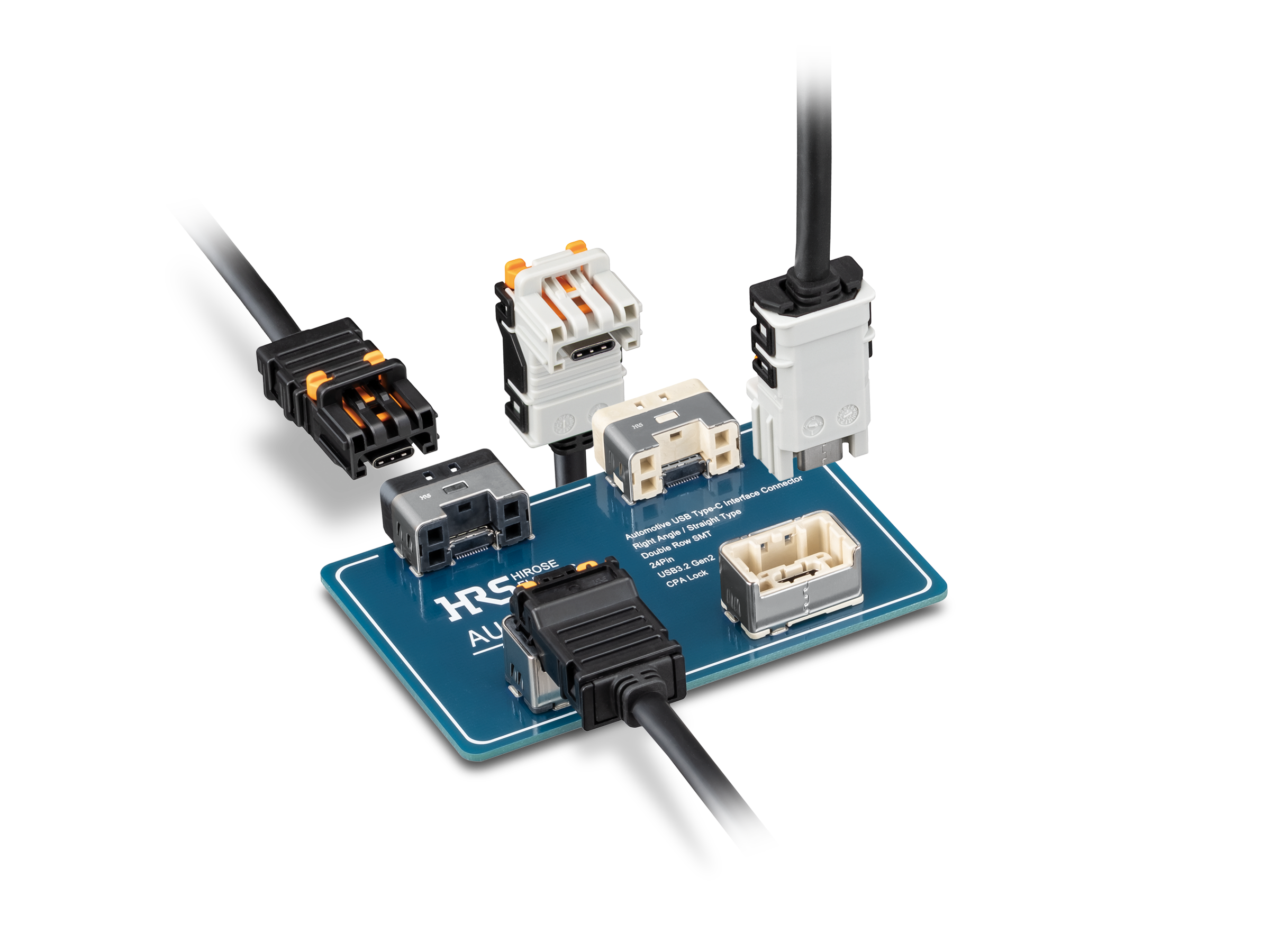
Hirose will feature connector solutions for infotainment and instrument clusters; camera, radar, and LiDAR systems; central computing, antennas, and telematics control units (TCUs); battery packs; inverters, DC-DC converters, onboard chargers (OBCs), and motors; and EV charging equipment. Featured technologies address design requirements including compact size, high-voltage and high-current connections, high-speed data, vibration, secure connection, and simplified system integration.
I'm working on an automotive design now. Where can I find connector options and technical information? +
Start with Hirose's
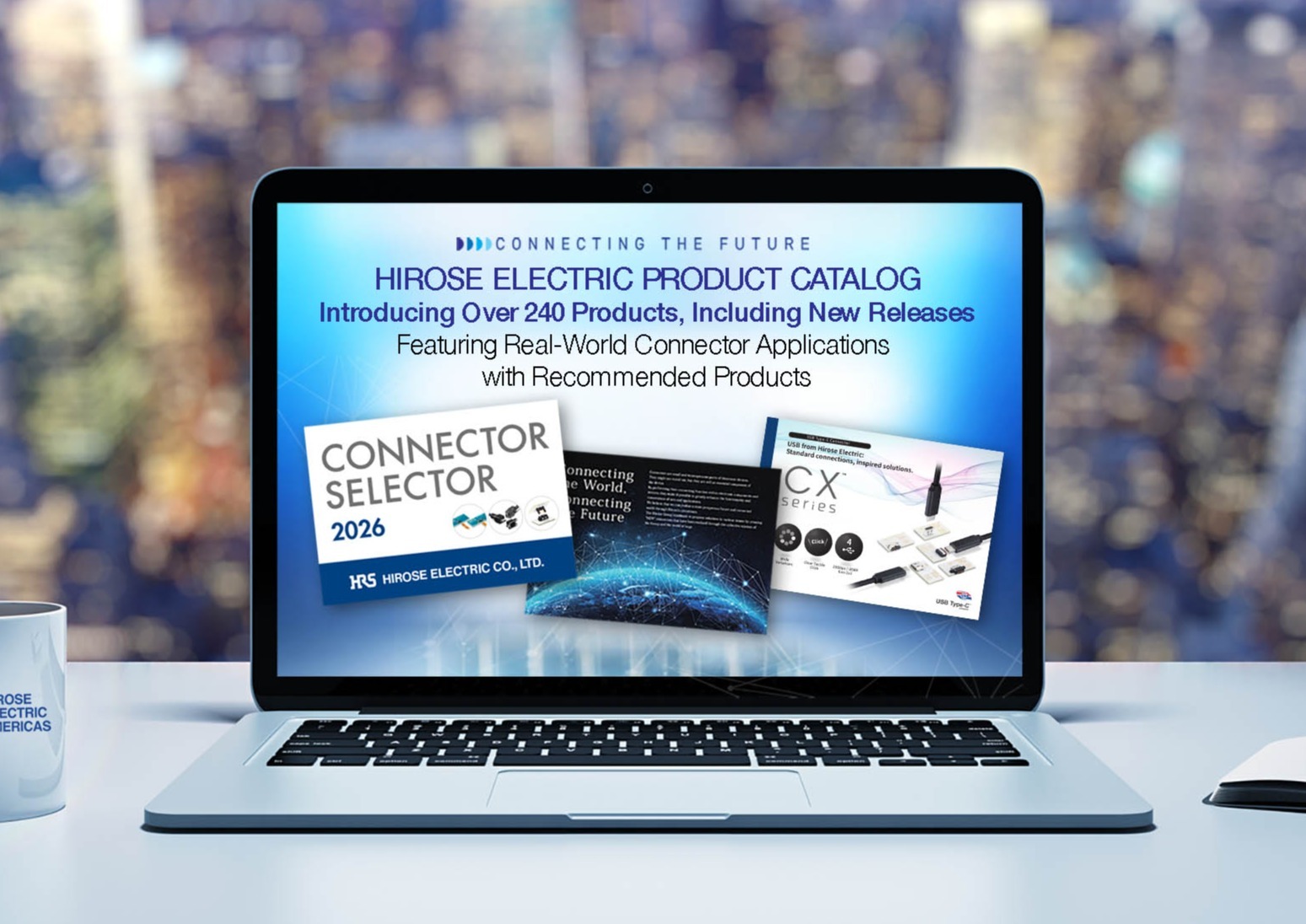
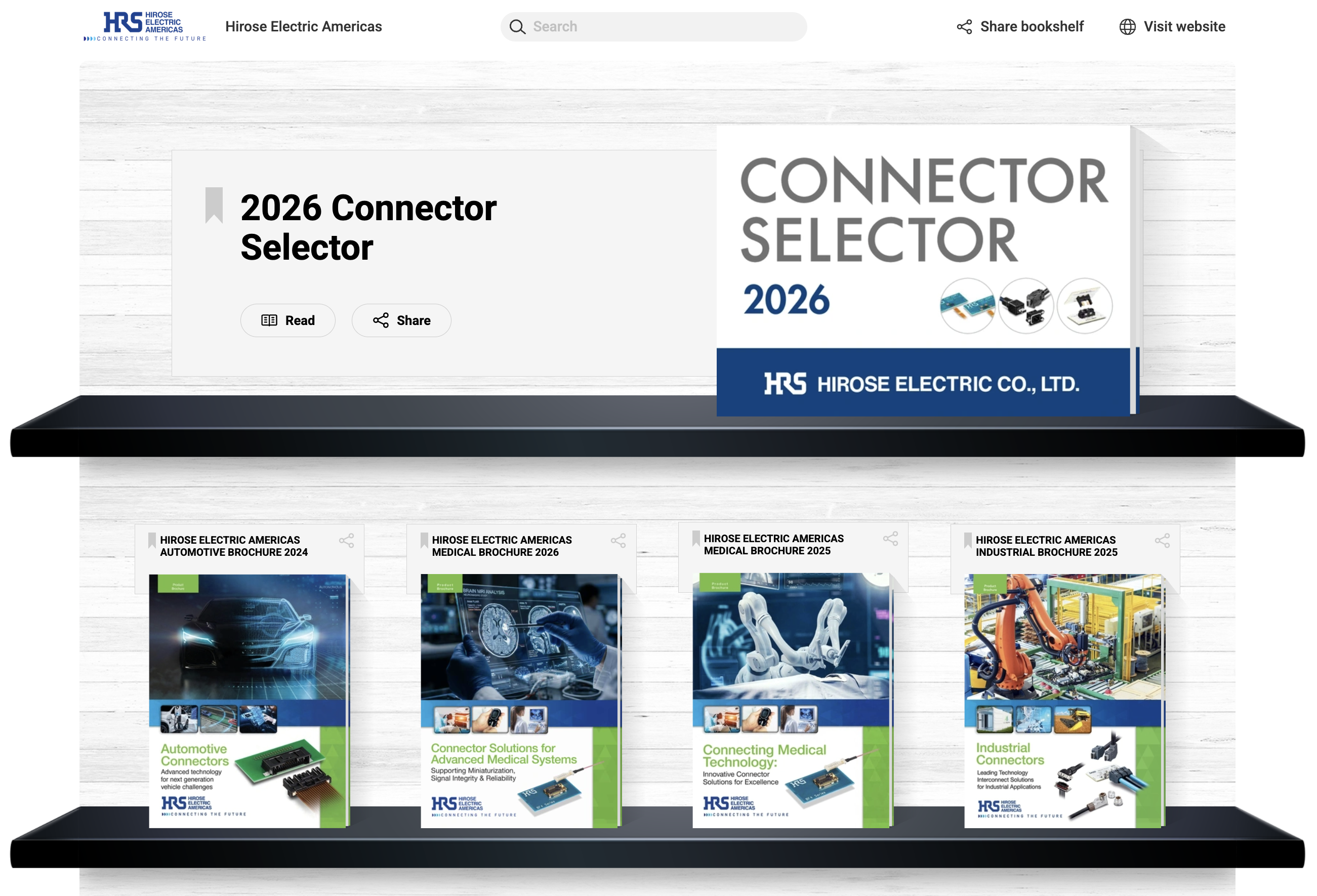
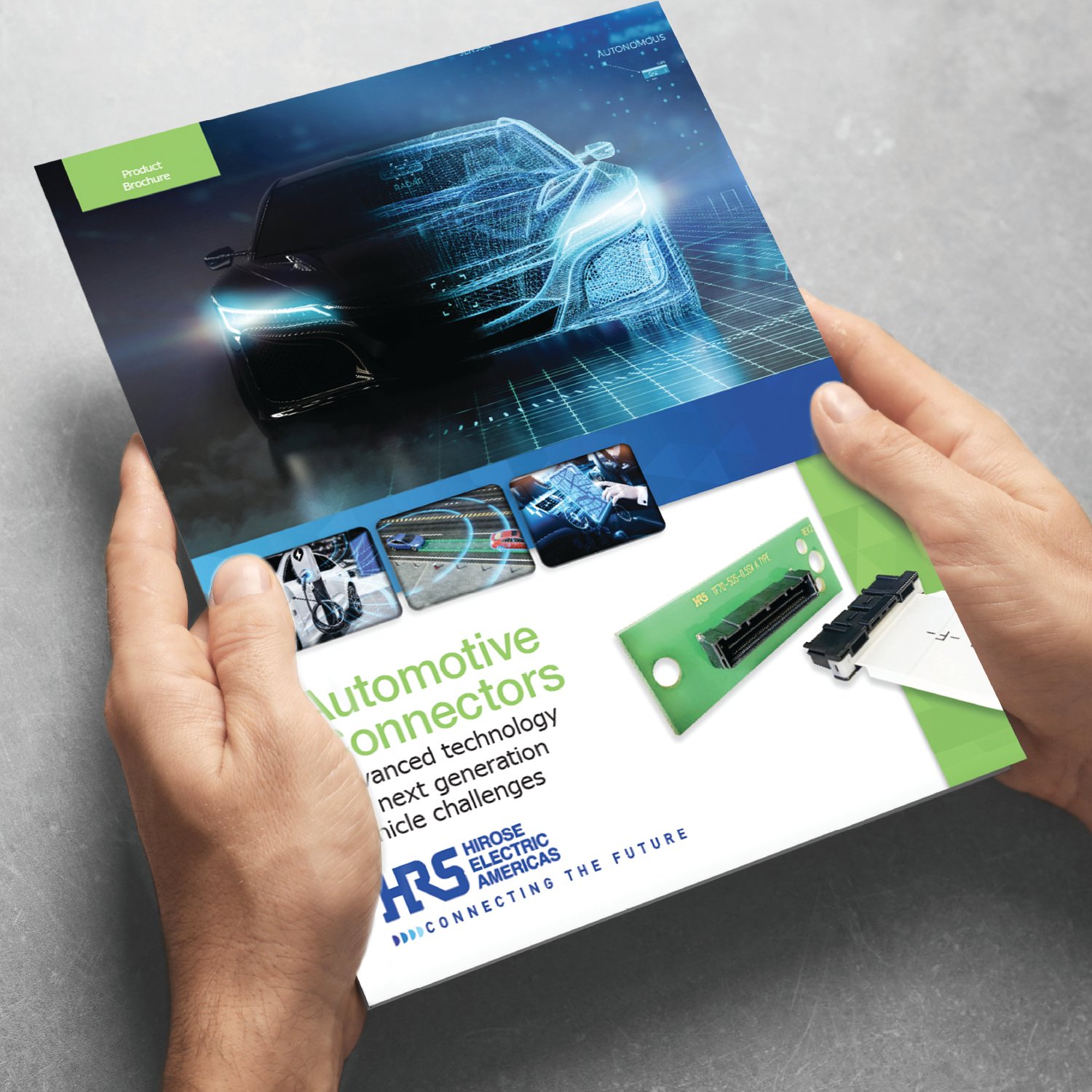
Connector Solutions for Automotive Innovation page to explore connectivity by automotive application and design requirement. You can also use the 2026 Connector Selector, Digital Resource Library, and Automotive Connector Brochure for additional product and technical information. If you're working through a specific design challenge, request a meeting with Hirose to discuss your application and connector requirements.
How do I select a connector when PCB and packaging space are limited? +
Start with the available PCB footprint, connector height, mating direction, contact count, and required power or signal performance. Low-profile, fine-pitch, high-density, and integrated connector designs can help reduce PCB and packaging space without eliminating required connections. Engineers should also consider assembly access, cable routing, mechanical tolerances, vibration, and serviceability before selecting a smaller connector.
What should I consider when selecting a connector for a high-vibration automotive application? +
Consider the expected vibration and movement, connector location, mating retention, contact design, operating temperature, and environmental exposure. Depending on the application, features such as secure locking mechanisms, floating structures, multi-point contacts, and vibration-resistant designs can help maintain reliable electrical connections. The connector should be evaluated against the mechanical and environmental requirements of the specific installation.
What should I consider when selecting connectors for automotive cameras, radar, LiDAR, and high-speed data? +
Start with the required data rate and interface, then consider signal integrity, impedance, shielding and EMI/EMC performance, PCB space, cable routing, and connector location. Automotive cameras, radar, LiDAR, central computing, infotainment, and other high-speed systems may also require compact packaging, secure mating, vibration resistance, and performance across automotive operating temperatures.
What should I consider when selecting high-voltage or high-current connectors for an EV? +
Begin with the system voltage, continuous and peak current, operating temperature, available space, and environmental requirements. Creepage and clearance distances, contact resistance, temperature rise, insulation, locking and retention, vibration, and assembly requirements should also be considered. These requirements can vary significantly between battery packs, inverters, DC-DC converters, onboard chargers, motors, and other EV power systems.
What connector solutions are available for EV charging equipment? +
EV charging equipment can require multiple internal connections for power distribution, control, communication, and supporting electronics. Hirose offers power, signal, wire-to-board, board-to-board, and FPC/FFC connector solutions for charging equipment and related infrastructure. Selection should consider voltage and current requirements, available space, wiring and assembly, secure connection, operating environment, and the need to simplify internal power distribution.